As the global gemstone market grows at a robust 6.6% CAGR toward $72.8 billion by 2036, jewelry designers and manufacturers are shifting their sourcing strategies to meet evolving consumer demands. Cabochon-cut stones, in particular, have seen a resurgence driven by the trend toward organic, nature-inspired jewelry designs and the growing popularity of colored gemstones over traditional diamonds.
For wholesale buyers navigating this landscape, understanding which cabochon varieties offer the best balance of demand, margin, and supply reliability is critical. This guide breaks down the top 5 trending cabochon gemstones for 2026, along with practical sourcing tips and quality benchmarks to help you make informed purchasing decisions.
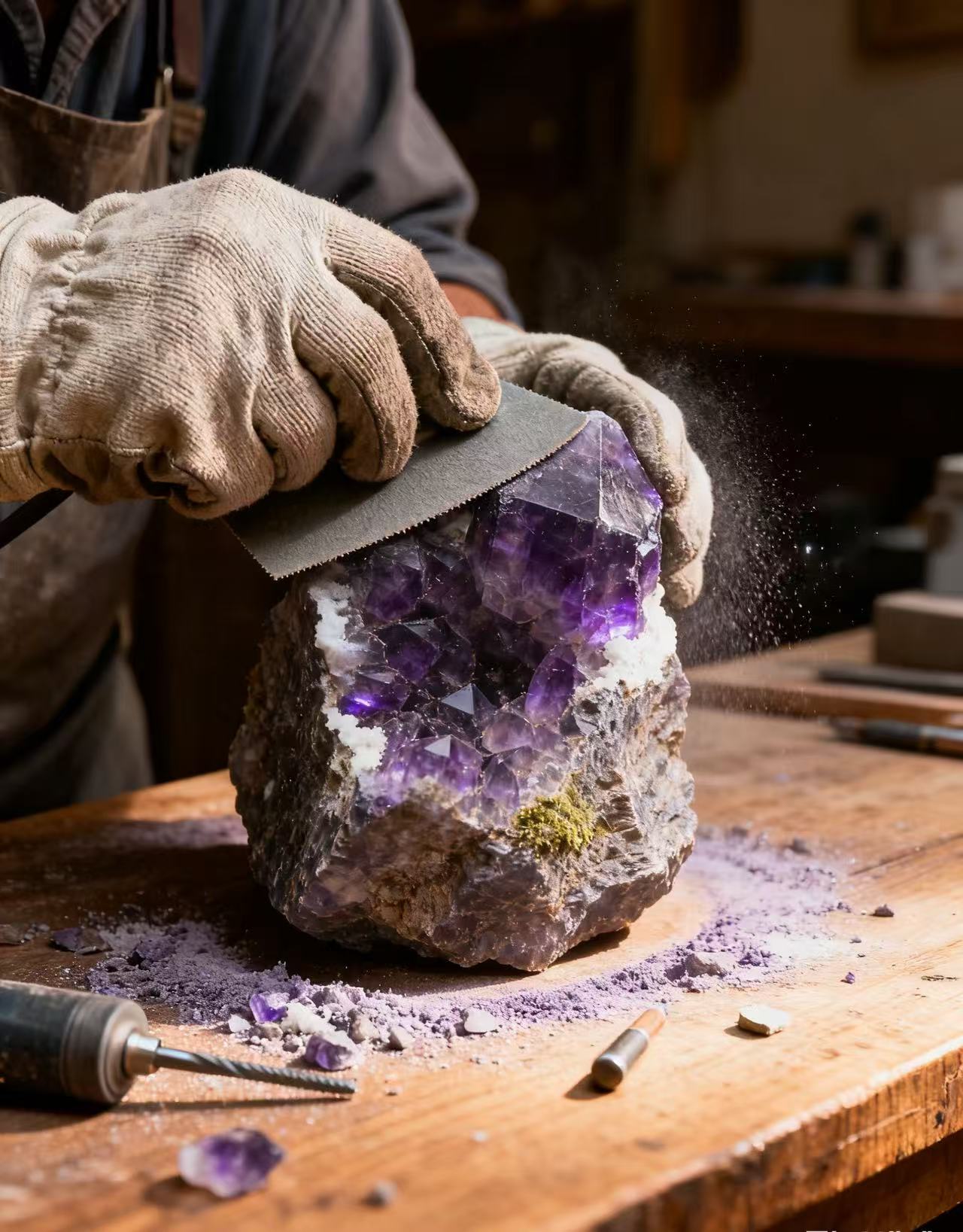
Amethyst continues to dominate the affordable luxury cabochon market, and for good reason. Its range of purple hues—from pale lavender to deep violet—complements both silver and gold settings, making it a designer favorite for everything from minimalist studs to statement pendants.
Why it’s trending in 2026:
- Wellness jewelry boom: Consumers associate amethyst with calming properties and mindfulness
- Purple color trend: Pantone’s influence has elevated purple as a fashion-forward color choice
- Price accessibility: Quality material remains affordable compared to other colored stones
Wholesale sourcing tips:
- Look for consistent color saturation without zoning or color banding
- Brazilian material typically offers the best value-to-quality ratio
- Oval and cushion cuts in 8x6mm to 12x10mm sizes have the fastest turnover
Quality check: Hold the stone up to light—high-quality amethyst should display uniform color distribution without visible inclusions that detract from the cabochon’s smooth surface.
As consumers move away from traditional yellow diamonds, citrine has emerged as the go-to warm-toned cabochon for jewelry collections. Its honey-to-lemon color palette adds brightness to any design without the premium price tag of yellow sapphires or diamonds.
Why it’s trending in 2026:
- Sunshine aesthetic: Post-pandemic demand for uplifting, optimistic designs
- November birthstone: Steady demand for birthstone jewelry
- Gender-neutral appeal: Works equally well in men’s and women’s collections
Wholesale sourcing tips:
- Differentiate between natural and heat-treated amethyst (sold as citrine)
- Round 6mm and 8mm cabochons are top sellers for stud earring programs
- Deeper golden hues command 20-30% price premiums over pale lemon material
Popular design application: Natural Citrine Round 4mm Cabochon settings are particularly popular for minimalist everyday jewelry lines, offering consistent sizing and color for production runs.
If you’ve noticed moss agate everywhere from Instagram ads to designer lookbooks, you’re not imagining it. This stone has exploded in popularity thanks to its unique dendritic inclusions that create miniature “landscapes” within each cabochon—perfect for the nature-inspired jewelry trend.
Why it’s trending in 2026:
- Organic design movement: Consumers crave unique, one-of-a-kind pieces
- DTC success: Direct-to-consumer brands have built entire collections around moss agate
- Bridal alternative: Increasingly chosen as engagement ring center stones
Wholesale sourcing tips:
- “Picture quality” moss agate with distinct, well-formed inclusions commands premium pricing
- Larger stones (10x8mm+) show off the dendritic patterns best
- Consistency is challenging—work with suppliers who can provide matching pairs for earrings
Quality check: The most desirable moss agate displays green inclusions against a white or translucent background, with patterns that are clearly defined rather than muddy or indistinct.
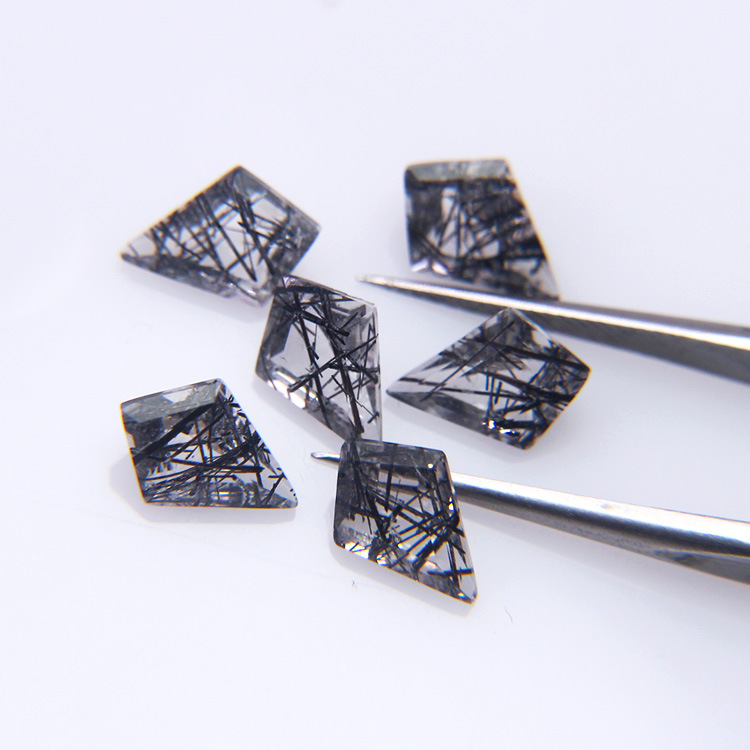
Black rutile quartz—with its striking needle-like inclusions suspended in clear quartz—has transitioned from a niche collector’s stone to a mainstream design favorite. Its bold, graphic appearance appeals to consumers seeking jewelry with personality beyond the traditional.
Why it’s trending in 2026:
- Gender-neutral design: Perfect for unisex and men’s jewelry lines
- Contrast aesthetic: Pairs beautifully with both white and black metal settings
- Instagrammable: The dramatic inclusions photograph exceptionally well
Wholesale sourcing tips:
- Look for stones with dense, well-distributed rutile needles rather than sparse or clustered inclusions
- Natural Black Rutilated Quartz Oval 4x6mm sizes work exceptionally for signet ring designs
- Avoid stones with cloudy or milky quartz backgrounds
Design insight: Jewelry designers report that black rutile quartz pieces have higher average order values (AOV) because customers perceive them as more unique and special than traditional clear or colored stones.
One of the oldest gemstones in human history, lapis lazuli is experiencing a renaissance as designers rediscover its deep, royal blue color with golden pyrite flecks. From ancient Egyptian burial masks to contemporary minimalist designs, lapis offers timeless appeal with modern relevance.
Why it’s trending in 2026:
- Maximalist jewelry: Bold, saturated colors are back in fashion
- Heritage revival: Consumers are drawn to stones with historical significance
- Men’s jewelry growth: Lapis has long been a favorite in men’s accessories
Wholesale sourcing tips:
- Premium Afghan material has the deepest blue color with minimal calcite (white patches)
- Expect pyrite flecks—they’re characteristic of lapis, not defects
- Calibrated sizes are harder to find than other cabochons—order extra to account for selection
Quality benchmark: Top-quality lapis should be uniform deep blue with evenly distributed tiny pyrite flecks and minimal white calcite veining.
Based on industry data from the International Colored Gemstone Association, follow these guidelines when building your 2026 inventory:
Stones calibrated to standard millimeter sizes (6x4mm, 8x6mm, 10x8mm oval; 6mm, 8mm round) reduce setting costs and production delays.
Natural Amethyst Oval Faceted Cut stones with consistent calibration are particularly valuable for production jewelry lines.
Natural gemstones vary significantly—always request photos of the exact parcel you’re purchasing, especially for pattern-dependent stones like moss agate and black rutile quartz.
Working directly with cutting facilities rather than middlemen can reduce costs by 20-30% while ensuring better quality control. Look for suppliers with transparent sourcing chains and established quality grading systems.
- Entry level ($1-$5/stone): Small calibrated citrine, amethyst for mass market lines
- Mid-range ($5-$25/stone): Quality moss agate, black rutile quartz for designer collections
- Premium ($25+/stone): High-grade lapis, picture-quality moss agate for luxury and bridal
The cabochon market’s growth trajectory shows no signs of slowing. As consumers increasingly seek personalized, meaningful jewelry beyond traditional diamonds, colored gemstone cabochons offer an opportunity to differentiate your collections and build customer loyalty.
By focusing on these five trending stones—amethyst, citrine, moss agate, black rutile quartz, and lapis lazuli—and implementing smart sourcing practices, wholesale buyers can position themselves to capture a larger share of the growing colored gemstone market.
The key to success? Work with reliable suppliers who understand your quality requirements, provide consistent calibration, and offer transparent pricing. Build a diverse inventory that serves multiple customer segments, and stay attuned to design trends that influence shape and size preferences.
Ready to source quality cabochon gemstones for your 2026 collections? Browse our
full product catalog or contact us for custom orders and wholesale pricing.
QIAOJINXI JEWELRY – Your trusted source for natural gemstone cabochons since 2013.